Copyright Advisory Services Home
Copyright at Columbia
Copyright Advisory Services supports Columbia faculty and students in understanding copyright and how it relates to their work, course materials, and scholarly communications. See Copyright Basics for a primer.
For Faculty
University faculty face multiple copyright related issues when engaging in academic work. Whether carrying out research, publishing academic work or seeking to share scholarly work with, students, other colleagues or with the public, copyright, particularly, in in this digital era, has become increasingly complex. See Faculty for more information.
For Students

As a student, your university program may have provided you with some guidance on the reproduction and distribution of existing materials. Copyright law plays a big part in how you can use, distribute and re-use materials your scholarly work. See Students for more information.
Requests for Permission
Copyright Advisory Services does not field individual requests for permissions or reproductions of Columbia University Libraries materials.
Please reference Columbia University Libraries Digitization and Copying Services for further information and to send your request.
Permission to use the content on this site

Except where stated otherwise, the content on this site is licensed under a Creative Commons Attribution Non-Commercial 4.0 License.When making use of the content on these pages under the terms of the CC license, please include this form of attribution: "Used under a CC BY/NC license from Copyright Advisory Services of Columbia University." If your needs are outside the scope of this license, please consider fair use or ask us for permission.
Upcoming Events
Check back soon for upcoming copyright workshops. If you are interested in holding one for your school or department at Columbia University Email copyright@columbia.edu
Past Events
For a complete listing of past events held or hosted by Columbia University's Copyright Advisory Services SEE MORE...
Advisory Services
COPYRIGHT AND SMALL CLAIMS
IMPORTANT INFORMATION ABOUT NEW SMALL CLAIMS SYSTEM FOR COPYRIGHT
In 2020, Congress passed a law called the “Copyright Alternative in Small-Claims Enforcement Act of 2020,” known as the “CASE Act.” The CASE Act mandated the formation of the Copyright Claims Board (“CCB”), a tribunal operating through the U.S. Copyright Office instead of the federal judicial branch, for the purpose of deciding “small claims” copyright infringement actions via a quicker, less expensive process—that is, without all of the procedural requirements of a normal federal court case. Damages are capped at $30,000 for CCB cases.
If You Are Columbia University Library Staff Click Here for More Information
If You Are Columbia University Non-Library Staff, Faculty or a Student, Click Here for More Information
Office Hours
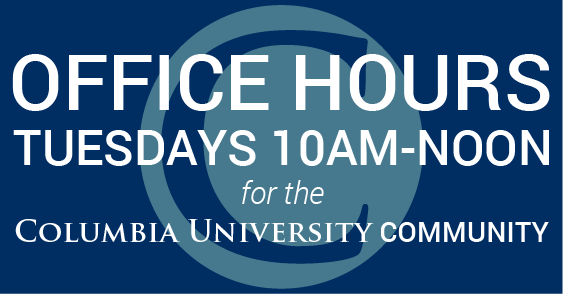
Office Hours for the Columbia Community will continue virtually on Tuesdays from 10am to noon.
CLICK HERE to make an appointment
What's New
Open Copyright Education Advisory Network (OCEAN)
OCEAN will be launching a copyright discussion series for Spring 2024 that is live, interactive and free. Check the OCEAN site soon for more information and to register for these learning opportunities!
Copyright Information for Faculty
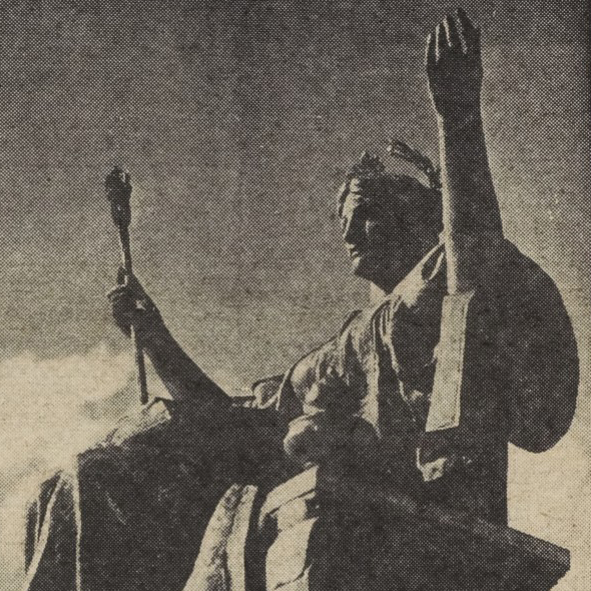
New materials about scholarly publishing, fair use of images in publications, open access requirements for scholarly publications and permissions for third party materials have been add to the Faculty Tab with updated headings and materials.
Fair Use and Art Images - New Guidelines!
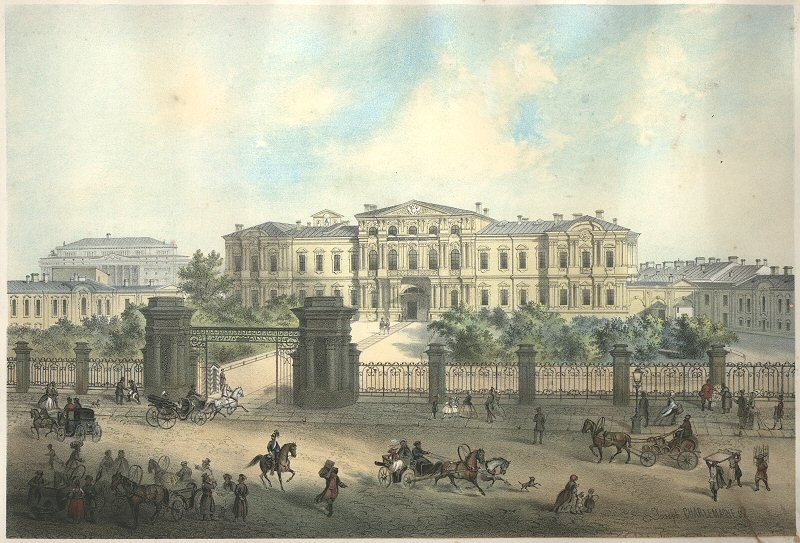
The Association of Art Museum Directors has posted new fair use guidelines for the use of images of in-copyright artworks online. This latest version is dated October 11, 2017 and replaces previous versions already posted. See Guidelines For the Use of Copyrighted Materials and Works of Art by Art Museums
Building Your Reading List
Faculty, are you preparing course reading lists for the spring semester?
See Columbia University's Copyright Advisory Services Guidelines about using electronic resources to build your reading lists.
For ease of reference, Columbia University's CourseWorks homepage now also includes similar copyright information for faculty and teaching assistants.
Copyright and Dissertations
Do you have copyright questions about your dissertation?
Copyright Basics can answer some of the fundamental questions such as whether you should register your copyright. The For Students tab includes materials addressing copyright issues that may arise in the course of writing your dissertation.
If you need in person help with your copyright questions, come to Office Hours or email Copyright Advisory Services for an appointment!
MOOC Production
Columbia University's Office of the General Counsel, and Copyright Advisory Services have developed faculty guidelines that address copyright issues relating to MOOC production. Read More...
Copyright Policy Initiatives
Columbia University Libraries submits Response to the Notice Of Inquiry issued by the U.S. Copyright Office on Visual Works. Read More...